
Why Creative CV Layouts Could Work Against You in the Age of AI Shortlisting

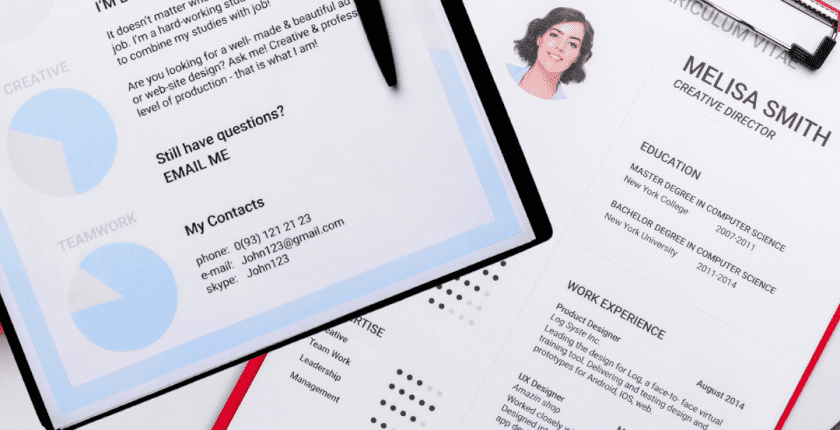
It’s tempting to make your CV stand out with bold designs, multiple columns, infographics, or eye-catching layouts. After all, you want to be memorable. But in today’s job market, where many employers and recruitment agencies use AI-powered applicant tracking systems (ATS) to scan and shortlist applications, this approach can actually work against you.
How AI CV Parsing Works
When you send your CV for a role, it often goes through an ATS before a human sees it. These systems scan your document for key details like job titles, dates, skills, and qualifications. They then sort that information into a searchable database so recruiters can quickly filter for the most relevant candidates.
The problem is that these systems aren’t perfect. If your CV has an unusual layout, the AI might not read it correctly, or might miss parts entirely.
Why Columns and Fancy Formatting Cause Problems
What looks neat to you might be confusing to a machine. For example:
- Split columns can make the software read across the page instead of down, mixing up your work history.
- Text inside images or graphics often won’t be picked up at all.
- Missing standard section headings like “Work Experience” or “Education” can make it harder for the system to file your information correctly.
- Unusual date formats such as “Summer 2023” instead of “June 2023, August 2023” might not register in a timeline search.
The end result? You could be an ideal candidate, but get filtered out because the ATS couldn’t understand your CV.
Remember, Humans Want Clarity Too
Even if your CV gets past the ATS, it will still land in the hands of a recruiter, and most recruiters want something they can read and understand quickly. If they have to hunt for your employment dates, decipher your job titles, or piece together your career story, they may lose interest and move on to the next application.
How to Make Your CV Work for Both AI and Recruiters
You can absolutely have a professional-looking CV that’s easy for both machines and people to read. A few simple changes can make a big difference:
- Use clear section headings such as Work Experience, Education, and Skills.
- Stick to one column for the main body of your CV.
- Keep all your text searchable, avoid placing key information in images or graphics.
- Use bullet points to make your achievements and responsibilities stand out.
- Save your CV as a Word document or a simple PDF so it’s compatible with most systems.
The Bottom Line
A creative CV might grab attention in print, but in digital recruitment your first audience is usually a machine. If the ATS can’t interpret your CV properly, your application might never make it to the human stage. Focus on clarity and structure first, once you’ve cleared the AI hurdle, that’s when your skills, personality, and experience will shine.

How Estate Managers Ensure the Long-Term Success of Large Estates
Providing Leadership in Complex EnvironmentsEven the most impressive estates can struggle behind the scenes without strong, consistent leadership.Large properties operate as complex environments. They often encompass multiple buildings, diverse staff

Cleaner or Housekeeper: What Does Your Household Actually Need?
Within a private household, the distinction between a Cleaner and a Housekeeper can sometimes appear subtle. Both contribute to the presentation and upkeep of a home, and there will inevitably

Modern Security Solutions for Cotswold Estates
How Estate Security Has Evolved Beyond Gates and CCTV Security within rural estates has evolved significantly in recent years. While traditional measures such as gates, alarms, and CCTV remain important,


