
Non-Disclosure Agreements (NDAs) What’s changing?

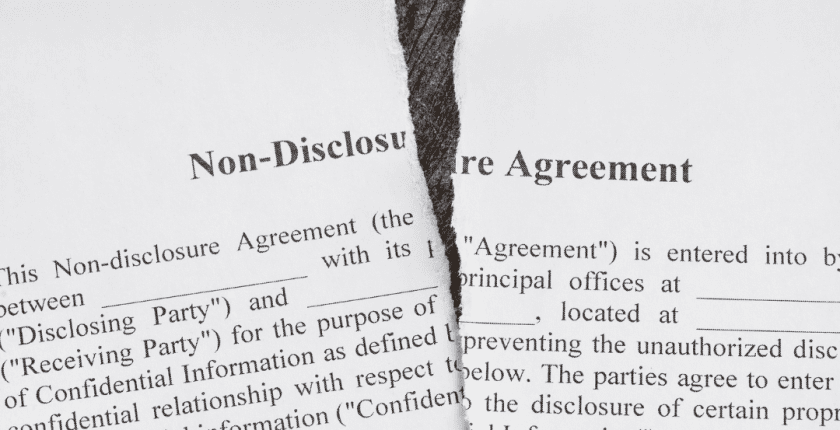
One particularly important amendment to the Employment Rights Bill could significantly curtail the use of non-disclosure agreements (NDAs) in circumstances involving harassment, discrimination or abuse in the workplace.
While NDAs have long been used in many sectors to protect confidentiality, the proposed changes make clear that they should not serve as tools to silence staff who wish to speak out about wrongdoing.
In private households, where discretion and privacy are central, it is especially important for House Managers and Principals to understand how the law is shifting, and how to ensure policies remain fair, defensible, and legally compliant.
What’s Changing: The Proposed Amendment
The amendment introduces a new clause that would render void any provision in a contract or settlement agreement that attempts to stop a worker from making a “relevant disclosure” of harassment, discrimination, or abuse, or from sharing how the employer responded to such allegations.
The change applies to workers broadly (not just employees), and would also cover witnesses to misconduct.
However, NDAs may still remain valid in other contexts provided they don’t attempt to gag employees on harassment or discrimination.
Some provisions may be excluded under “excepted agreements” (yet to be fully defined) if they meet particular conditions set by future regulation.
Why This Matters in Private Households
Households often rely on NDAs or confidentiality clauses when resolving internal staff matters or disputes discreetly. But the proposed changes make clear that protecting privacy is legitimate, silencing staff complaints is not.
In practical terms:
- Settlement agreements involving harassment or abuse cannot legitimately prevent a worker from speaking out about those very allegations.
- Contractual clauses inserted to restrict discussion of misconduct may be deemed void.
- Witnesses will be empowered to share their perspective without fear of breaching a non-disclosure clause.
- It is essential, therefore, that House Managers review existing confidentiality clauses and settlement templates, ensuring they don’t overreach into prohibited territory.
Balancing Privacy and Accountability
The goal is not to eliminate confidentiality entirely. Principals and households will still have legitimate reasons to protect estate security, family privacy, or sensitive operational details. NDAs used appropriately, for example, to safeguard sensitive financial, design, or security information—should remain valid so long as they don’t stifle disclosure about harassment or discrimination.
That said, the new regime emphasises transparency, fairness, and accountability. Households must avoid adopting overly broad “gag clauses” that could be struck down, or worse, exposed to reputational risks if they are viewed as attempts to silence genuine complaints.
Key Steps for House Managers & Principals
- Audit existing agreements
- Review employment contracts, staff handbooks, and settlement templates to identify any clauses that purport to silence workers regarding harassment or discrimination.
- Adapt settlement practices
- In future, avoid insisting on confidentiality provisions that prevent staff from speaking out about abuse, even if such clauses were previously accepted.
- Train leadership and staff
- Ensure that line managers and senior staff understand the difference between protecting privacy and unlawfully gagging staff. Cultivate a workplace culture where complaints are handled transparently and safely.
- Seek legal clarity
As the Bill progresses, watch for definitions of “excepted agreements” and additional guidance on permissible confidentiality provisions. Legal advice will help ensure your documents and practices comply.
The proposed reforms to NDAs reflect a broader shift in employment law philosophy: dignity, justice, and transparency should not be trumped by overbearing confidentiality. In the unique environment of private households, where trust and discretion are foundational, House Managers and Principals must act now to ensure their

How Estate Managers Ensure the Long-Term Success of Large Estates
Providing Leadership in Complex Environments Even the most impressive estates can struggle behind the scenes without strong, consistent leadership. Large properties operate as complex environments. They often encompass multiple buildings,

Cleaner or Housekeeper: What Does Your Household Actually Need?
Within a private household, the distinction between a Cleaner and a Housekeeper can sometimes appear subtle. Both contribute to the presentation and upkeep of a home, and there will inevitably

Modern Security Solutions for Cotswold Estates
How Estate Security Has Evolved Beyond Gates and CCTV Security within rural estates has evolved significantly in recent years. While traditional measures such as gates, alarms, and CCTV remain important,


