Gardens of the Cotswolds – And Why Kitchen Gardens Are on the Rise
Gardens play a defining role in the character of Cotswold estates. From formal terraces and historic parkland to productive landscapes and natural planting, each garden reflects both the property and the way it is lived in.
In recent years, one garden type has seen a clear resurgence: the kitchen garden. Once a practical necessity, it is now increasingly valued for sustainability, self-sufficiency, and thoughtful estate management.
This article explores the different types of gardens found on Cotswold estates, with a focus on why kitchen gardens are becoming a defining feature of modern country living.
Understanding the Garden Structure of a Cotswold Estate
Most estates comprise multiple garden zones, each serving a distinct purpose. Understanding these areas is essential when planning long-term garden management and staffing.

Formal Gardens
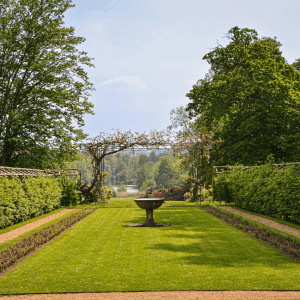
Typically located close to the house, formal gardens are designed for visual impact and structure. They often include:
- Lawns and terraces
- Symmetrical borders
- Topiary, hedging and defined pathways
These gardens demand precision, seasonal planning, and consistent presentation.
Parkland and Wilder Grounds
Beyond the formal gardens, many estates extend into parkland or open countryside. These areas may include:
- Mature trees and woodland
- Meadows or grazing land
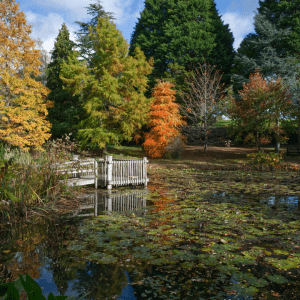
- Lakes, streams or natural water features
Parkland management focuses on long-term stewardship, conservation, and balance.


Woodland and Natural Gardens
Many estates now incorporate more informal, naturalistic planting. Woodland gardens support:
- Biodiversity and ecological resilience
- Seasonal interest with lower intervention
- Integration with the surrounding landscape
This approach reflects a broader shift towards sustainability.
Why Kitchen Gardens Are Returning
Key drivers include:
- A focus on sustainability and reduced food miles
- Increased interest in seasonal, home-grown produce
- Support for private chefs and household hospitality
- A renewed connection between land and table
For many estate owners, kitchen gardens combine practicality with purpose.
What Defines a Modern Kitchen Garden?
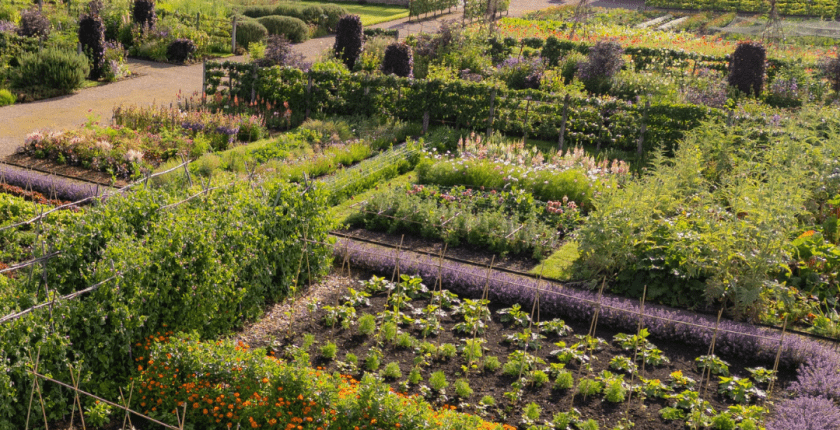
Today’s kitchen gardens blend tradition with modern techniques. They commonly include:
- Raised beds and crop rotation systems
- Fruit cages and espaliered trees
- Greenhouses or polytunnels
- Herb gardens near the house
- Cut-flower sections for interiors
When well designed, a kitchen garden is both productive and visually cohesive.
Kitchen Gardens and Estate Staffing
The return of kitchen gardens has important implications for estate and horticultural staffing.
Specialist Skills
Productive growing requires additional expertise, including:
- Soil health and composting
- Crop planning and seasonal yields
- Organic or low-intervention methods
- Coordination with chefs or household teams
Many estates now seek gardeners with experience beyond ornamental planting.
Integration With the Household
On estates with private chefs or hospitality teams, kitchen gardens often support daily operations. This requires:
- Clear communication around menus and harvesting
- Flexibility as seasons change
- Shared understanding of expectations
When aligned, the kitchen garden becomes an extension of the household.
Is a Kitchen Garden Right for Every Estate?
While appealing, a kitchen garden must suit the estate’s scale and resources. Consider:
- Available space and light
- Commitment to ongoing maintenance
- Appropriate staffing and expertise
- Realistic expectations of output
Some estates opt for a modest herb and produce garden; others develop fully productive spaces.
A Considered Approach to Estate Garden Management
Successful estates take a long-term, integrated approach to garden management. Formal gardens, parkland, woodland, and kitchen gardens should work together rather than compete for attention or resources.
Kitchen gardens thrive when they are well planned, properly staffed, and aligned with the estate’s wider rhythm.
To conclude…
Every estate and every garden is unique. A consultative approach to estate and horticultural recruitment ensures the right expertise is in place to protect heritage, support sustainability, and meet modern expectations.
As kitchen gardens continue to grow in popularity across Cotswold estates, thoughtful planning and specialist support remain key to long-term success.

How Estate Managers Ensure the Long-Term Success of Large Estates
Providing Leadership in Complex Environments Even the most impressive estates can struggle behind the scenes without strong, consistent leadership. Large properties operate as complex environments. They often encompass multiple buildings,

Cleaner or Housekeeper: What Does Your Household Actually Need?
Within a private household, the distinction between a Cleaner and a Housekeeper can sometimes appear subtle. Both contribute to the presentation and upkeep of a home, and there will inevitably

Modern Security Solutions for Cotswold Estates
How Estate Security Has Evolved Beyond Gates and CCTV Security within rural estates has evolved significantly in recent years. While traditional measures such as gates, alarms, and CCTV remain important,