
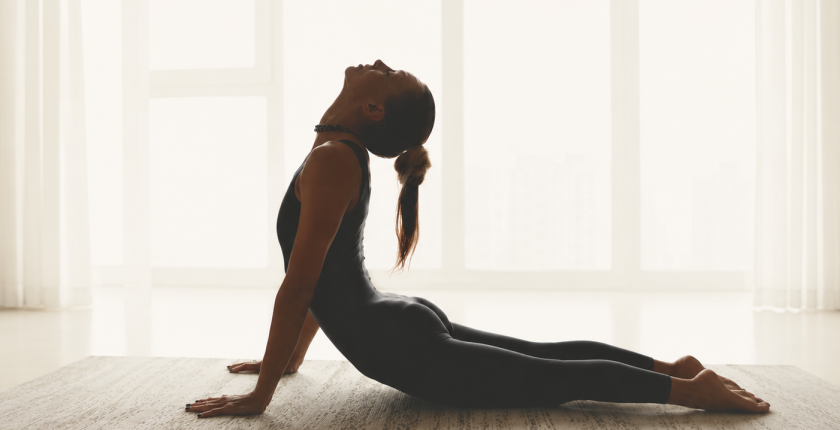
UHNW Wellness: Why Fitness Alone Is No Longer Enough
Health and wellbeing have become increasingly important within private households, but modern wellness extends far beyond regular exercise.
For many Principals and their families, maintaining long term health requires a more comprehensive approach that reflects the demands of modern life.
Frequent travel, demanding business commitments, social engagements and family responsibilities all place unique demands on physical and mental wellbeing.
As a result, many households are moving beyond traditional personal training in favour of coordinated wellness programmes that take a broader, more strategic approach to long term health.

Understanding the Demands of Modern Lifestyles
Life within a high performing household rarely follows a predictable routine.
International travel, changing time zones, late evenings and full calendars can make it difficult to maintain consistent habits.
Business responsibilities often compete with personal wellbeing. At the same time, entertaining and family commitments can leave little room for recovery.
Over time, these demands can affect energy levels, sleep quality, mobility and overall wellbeing.
Recognising these challenges is the first step towards building a sustainable approach to long term health.
A More Holistic Approach to Wellness
Modern wellness programmes consider far more than physical fitness. They combine multiple disciplines to create personalised strategies that strengthen long term health, recovery and everyday wellbeing.
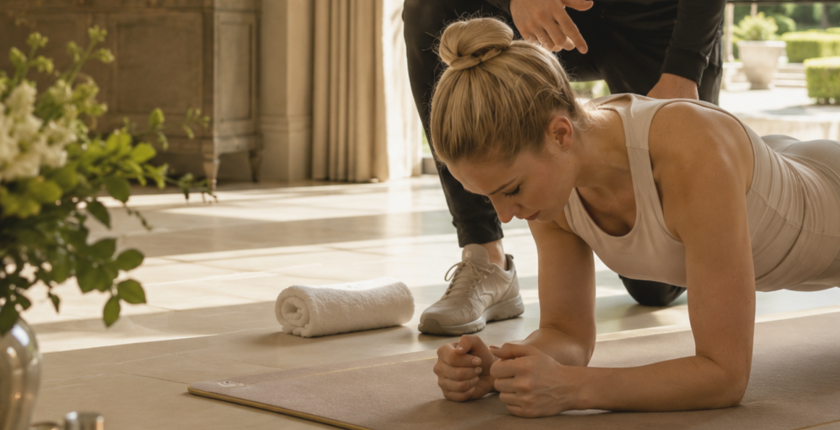
Increasingly, fitness professionals are evolving into broader wellbeing consultants who work alongside Estate Managers, Private Chefs, healthcare practitioners and household staff to deliver a coordinated approach to health. Their role may include advising on the design of home gyms and wellness spaces, as well as supporting nutritional planning and coordinating specialist practitioners. They also help Principals build sustainable routines around demanding lifestyles.
Strength and fitness remain central to any effective wellness programme, helping to improve physical health, maintain mobility and support long term independence. However, exercise is most effective when combined with other elements of wellbeing.
Nutrition also plays a central role. Carefully planned meals that reflect individual goals, travel schedules and lifestyle demands provide consistent energy while promoting long term health.
In many households, Private Chefs work closely with wellbeing professionals to create menus tailored to specific health objectives, dietary requirements and performance goals.
Recovery now sits alongside fitness as an equally important part of long term health. Quality sleep, structured rest and dedicated recovery techniques help the body and mind recover from the demands of modern life.
Mobility and injury prevention are also receiving greater attention. Regular movement, flexibility work and proactive treatment help reduce the risk of injury while supporting everyday comfort and long term physical capability. Mental wellbeing completes the picture.
Techniques that improve resilience, manage stress and encourage balance are becoming an essential part of modern wellness programmes rather than an optional addition.
Creating a Wellness Focused Home
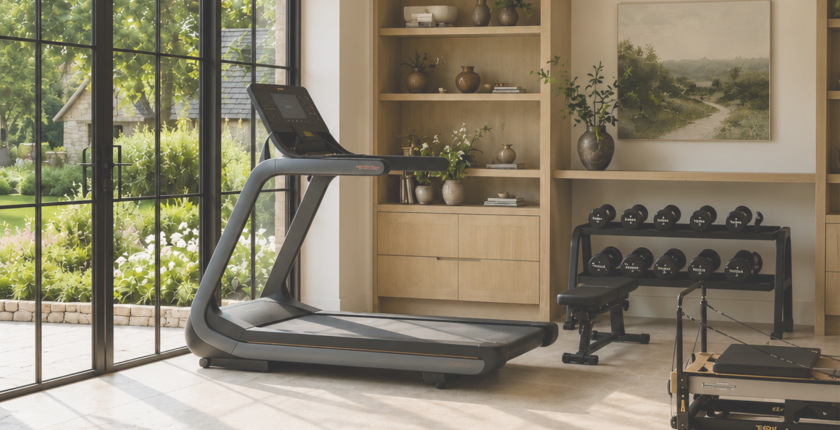
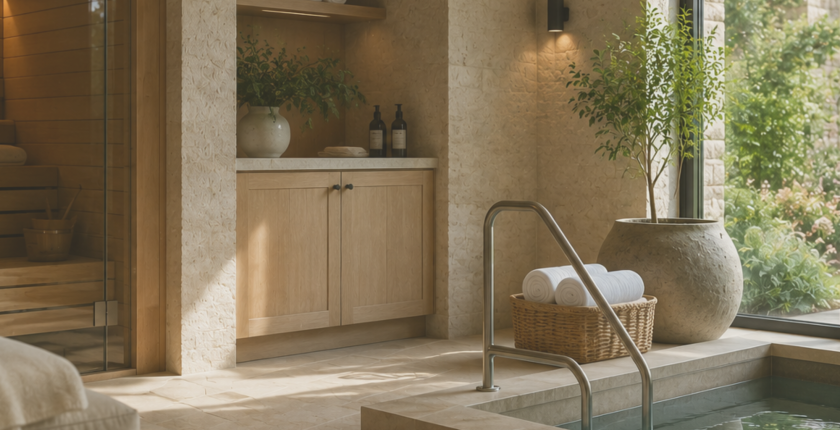
Increasingly, private households are investing in dedicated wellness spaces that make healthy routines easier to maintain.
A thoughtfully designed home gym offers convenience while allowing training to be tailored to individual goals and preferences.
Recovery spaces, including areas for stretching, massage, hydrotherapy, cold water immersion and heat therapies, encourage consistent recovery alongside training.
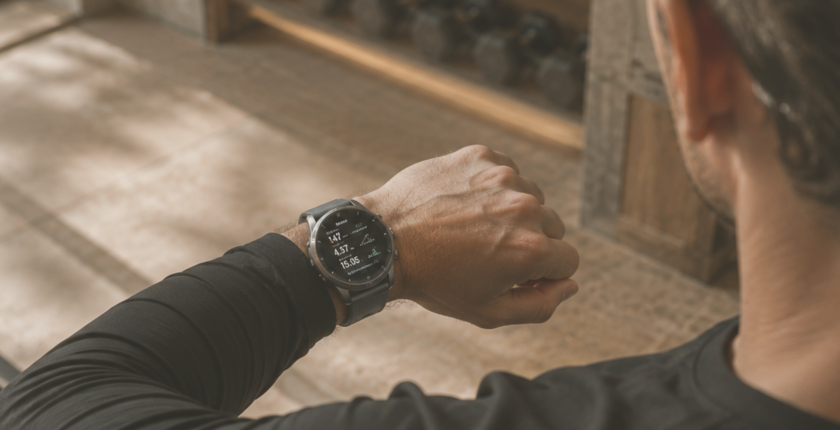
Technology has also become an important part of many modern wellness programmes. Wearable devices, performance monitoring systems and connected health platforms provide valuable insights that help wellness strategies evolve alongside changing lifestyles and priorities.
Many households also engage specialist wellness professionals, including private trainers, yoga instructors, nutritionists, recovery specialists and wellbeing consultants, on a full time, retained or visiting basis.
When these elements work together, the home itself becomes an environment that actively supports healthier habits and long term wellbeing.
Wellness in Practice
A typical example might involve a Principal balancing frequent international travel, demanding business commitments and family life. Although regular exercise remains part of the routine, inconsistent sleep and limited recovery begin to affect energy levels, concentration and overall wellbeing.
Rather than increasing training intensity, a coordinated wellness programme takes a broader approach. It combines nutritional planning, structured recovery, improved sleep routines, mobility sessions and regular health monitoring alongside existing fitness sessions.
Over time, energy levels improve, recovery becomes more consistent and the physical demands of work and travel become easier to manage.
The result is not simply improved fitness, but a healthier and more sustainable way of living.
A New Perspective on Wellbeing
Wellness is no longer defined by time spent in the gym. It is shaped by the ability to balance physical health, nutrition, recovery, mobility and mental wellbeing within the demands of modern life.
For today’s Principals and their families, a coordinated wellness strategy offers far more than improved fitness. It provides the foundation for sustained health, greater resilience and a healthier balance between personal and professional life.
As private households continue to invest in preventative health, wellness is increasingly being viewed in the same way as security, technology and household management: an essential component of modern estate infrastructure. The focus is no longer on reacting to health concerns, but on creating an environment that supports long term performance, resilience and quality of life.



How Estate Managers Ensure the Long-Term Success of Large Estates
Providing Leadership in Complex Environments Even the most impressive estates can struggle behind the scenes without strong, consistent leadership. Large properties operate as complex environments. They often encompass multiple buildings,

Cleaner or Housekeeper: What Does Your Household Actually Need?
Within a private household, the distinction between a Cleaner and a Housekeeper can sometimes appear subtle. Both contribute to the presentation and upkeep of a home, and there will inevitably

Modern Security Solutions for Cotswold Estates
How Estate Security Has Evolved Beyond Gates and CCTV Security within rural estates has evolved significantly in recent years. While traditional measures such as gates, alarms, and CCTV remain important,
