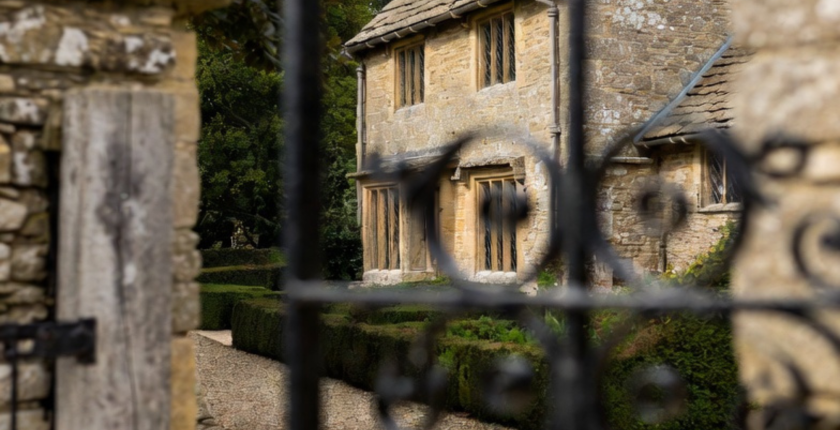
From the Capital to the Cotswolds

Relocating from the capital to the Cotswolds is often about more than a change in location.

While London offers immediacy, access, and pace, life in the Cotswolds introduces a different rhythm, one that prioritises space, privacy, and long-term quality of life. Understanding how daily life changes is key to ensuring a smooth and successful transition.

One of the most noticeable differences is pace. In the capital, services, staffing, and logistics are designed around immediacy. In the Cotswolds, life tends to operate at a more measured rhythm. This does not mean a reduction in standards, but it does require greater forward planning. Arranging household staff, specialist contractors, or property services often benefits from a longer-term, more organised approach.

Property itself also plays a significant role in shaping daily life. Homes in the Cotswolds are frequently larger, more complex, and often historic. Managing these properties introduces additional considerations, including ongoing maintenance, land management, and long-term conservation.

Staffing dynamics commonly evolve as well. City households may rely on external support or rotational staffing, whereas rural properties often benefit from consistent, long-standing teams.

Roles with broader responsibility, on-site presence, and a deeper understanding of the property become increasingly important, supporting continuity and reducing disruption.

Privacy is experienced differently too. While city living offers built-in discretion through scale, rural settings provide privacy through space. At the same time, local communities can be more visible, making trust, professionalism, and sensitivity within household teams essential. This makes careful recruitment and cultural fit particularly important.

Entertaining and hosting also tend to evolve. Rather than frequent, spontaneous engagements, hosting in the Cotswolds is often more intentional and planned. Larger gatherings, extended stays, and seasonal events require thoughtful coordination, reinforcing the importance of experienced household and estate management support.

Ultimately, moving from the capital to the Cotswolds reflects a shift in lifestyle priorities. It is less about stepping away from sophistication and more about redefining it. With the right structures, people, and planning in place, rural living can combine privacy, comfort, and continuity in a setting designed for longevity rather than immediacy.