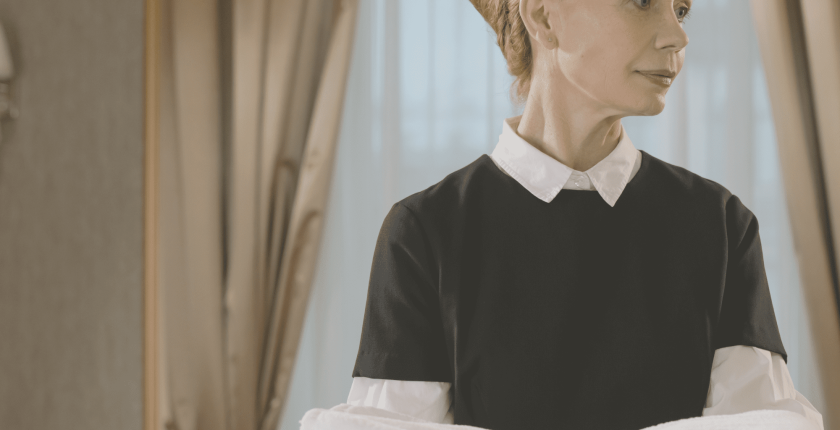
Every Household Is Unique:
No Two Households Operate the Same Way
One of the defining characteristics of working within a private household is that no two homes operate in exactly the same way.
Even highly experienced professionals quickly discover that every household has its own rhythms, expectations, and working style.
While candidates may bring excellent experience from other private residences, estates, or luxury hospitality environments, they are still stepping into an entirely new setting. The way a household functions day to day is shaped by the preferences of the principals, the structure of the team, and the practical systems that support the home.
The Practical Differences Between Households
Each household may differ in areas such as the materials used throughout the home, including specialist surfaces, antiques, or bespoke furnishings that require particular care. Kitchens, laundry rooms, and service areas may use different equipment and appliances, while storage systems, inventories, and organisational methods are often unique to the household.
Service expectations can also vary. Some homes operate with a high level of formality when interacting with principals and guests, while others adopt a more relaxed approach. Similarly, routines for service, housekeeping, or household management often reflect the individual preferences of the family.
The Importance of Learning Household Systems
Even small operational details can differ significantly from one household to another. The way laundry is categorised, where particular items are stored, or how rooms are prepared for guests can all vary depending on the household’s established systems.
For this reason, even experienced private household professionals usually require a short period of adjustment when beginning a new role. During the first few weeks, they are learning the nuances of the property, familiarising themselves with equipment and routines, and developing a clearer understanding of the principals’ expectations.
Allowing Time for a Successful Adjustment
In most cases, this settling-in period is entirely normal. With clear communication, guidance, and a degree of patience, experienced staff typically adapt quickly and begin operating confidently within the household’s established systems.
When households allow time for this adjustment and provide a thoughtful introduction to the role, the result is often a stronger and more successful long-term placement.

How Estate Managers Ensure the Long-Term Success of Large Estates
Providing Leadership in Complex Environments Even the most impressive estates can struggle behind the scenes without strong, consistent leadership. Large properties operate as complex environments. They often encompass multiple buildings,

Cleaner or Housekeeper: What Does Your Household Actually Need?
Within a private household, the distinction between a Cleaner and a Housekeeper can sometimes appear subtle. Both contribute to the presentation and upkeep of a home, and there will inevitably

Modern Security Solutions for Cotswold Estates
How Estate Security Has Evolved Beyond Gates and CCTV Security within rural estates has evolved significantly in recent years. While traditional measures such as gates, alarms, and CCTV remain important,