
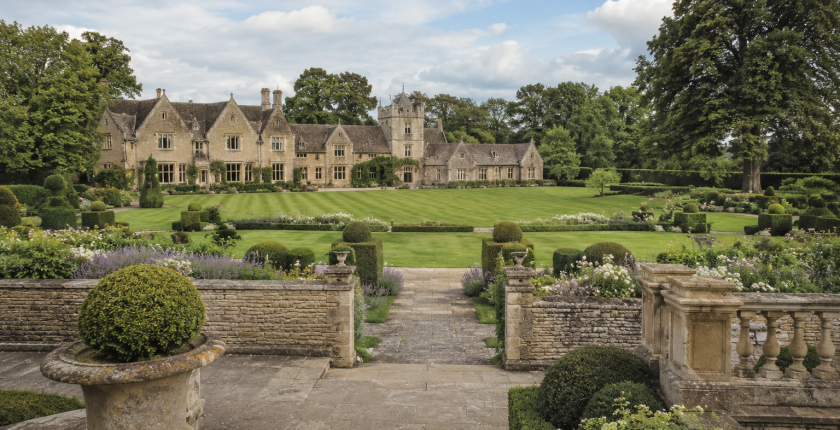
How Estate Gardens Reflect the Character of a Property

Estate gardens are often the first true expression of a property’s identity. Long before a guest steps inside the main house, the landscape sets a tone that communicates history, style, and intent.
Whether formally designed or naturally evolving, gardens play a defining role in shaping how a property is perceived and experienced.
Beyond aesthetics, estate gardens also reflect the values and priorities of those who live within them.
They are rarely incidental spaces. Instead, they are carefully considered environments that contribute to privacy, lifestyle, and long-term stewardship of the wider estate.
The Garden as a First Impression
The approach to a property often begins with its grounds. Driveways lined with mature trees, structured lawns, or sweeping natural landscapes all create an immediate sense of arrival. This first impression is rarely accidental.
In well-managed estates, gardens are designed to complement the architecture of the main residence. Formal properties often feature structured layouts, symmetry, and defined planting schemes, while more relaxed estates may favour naturalistic landscaping that blends into the surrounding environment.
In both cases, the garden sets expectations before a single room is entered.
Design as a Reflection of Lifestyle
Estate gardens often mirror the way a property is lived in. A highly structured garden may reflect a more formal lifestyle, where entertaining, presentation, and symmetry play an important role. In contrast, more informal gardens often suggest a focus on family life, leisure, and seasonal enjoyment.
Outdoor spaces are increasingly designed to support year-round living. This can include outdoor dining areas, kitchen gardens, wellness spaces, and areas dedicated to recreation. These choices offer insight into how the estate functions on a day-to-day basis.
Stewardship and Long-Term Vision
A well-maintained estate garden reflects more than design preference. It signals long-term commitment and stewardship. Mature planting, healthy soil management, and carefully preserved landscapes take years to establish and require consistent care.
This level of upkeep often indicates a broader approach to property management, where continuity and preservation are prioritised over short-term change. In many cases, gardens evolve gradually rather than being redesigned, reflecting a respect for the estate’s history and character.
Privacy and Space
One of the defining functions of estate gardens is the creation of privacy. Unlike urban environments, where discretion is often achieved through proximity and scale, rural estates rely on landscape design to establish separation and seclusion.
Tree lines, hedging, and natural contours of land all contribute to a sense of enclosure without feeling restrictive. When designed effectively, gardens create private environments that remain open, breathable, and connected to their surroundings.
Seasonal Identity and Change
Estate gardens are not static spaces. They shift with the seasons, offering a changing expression of the property throughout the year. Spring planting, summer growth, autumn colour, and winter structure each reveal different aspects of the landscape.
This seasonal rhythm adds depth to the identity of the estate. It creates a sense of continuity and movement that reflects the natural environment in which the property exists.
The Relationship Between House and Garden
The most successful estates achieve a strong relationship between architecture and landscape. Rather than existing separately, the house and garden operate as a unified environment.
Views from windows, pathways between spaces, and transitions from interior to exterior all contribute to this relationship. When balanced effectively, the garden extends the living space of the home and enhances its overall character.
How Gardens Shape Estate Identity
Estate gardens are far more than decorative surroundings. They reflect lifestyle, stewardship, and identity, offering a quiet but powerful expression of the property itself.
In many ways, the garden speaks before the house does. It sets expectations, shapes experience, and reveals the character of the estate long before any interior is seen.

Cleaner or Housekeeper: What Does Your Household Actually Need?
Within a private household, the distinction between a Cleaner and a Housekeeper can sometimes appear subtle. Both contribute to the presentation and upkeep of a home, and there will inevitably

Modern Security Solutions for Cotswold Estates
How Estate Security Has Evolved Beyond Gates and CCTV Security within rural estates has evolved significantly in recent years. While traditional measures such as gates, alarms, and CCTV remain important,

Could Shooting Face the Same Challenges as Hunting?
A Changing Landscape Country sports have long formed part of the identity and economy of many rural estates. Driven shooting, in particular, can contribute to seasonal employment, hospitality, land management